
Robot lawn mowers are generally safe around pets and kids when they are used correctly and equipped with modern safety features.
Most models are designed to stop or change direction when they meet obstacles, and many include lift, tilt, and emergency stop protections.
Still, safe operation is not automatic. Small children may treat the mower like a toy, and pets may react unpredictably to its movement or sound.
Homeowners need to understand both the built-in safeguards and the limits of the technology. With proper setup, scheduling, and supervision, a robot mower can maintain a yard while keeping family safety a top priority.
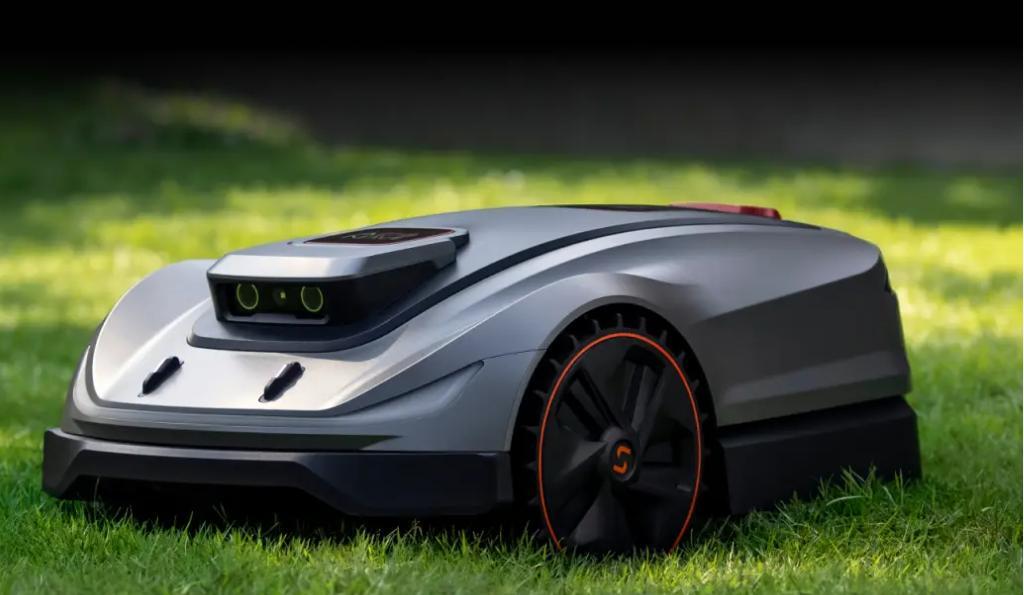
What Risks Should Homeowners Know Before Using a Robot Lawn Mower?
Common Safety Concerns for Families With Young Children
The biggest concern for families with young children is unsupervised contact. A child may try to touch, sit on, block, or pick up a robot mower while it is running.
Although blades are usually tucked underneath the deck, they can still cause injury if safety systems are bypassed or the unit is handled improperly. Children are also less likely to recognize warning sounds, boundary areas, or moving equipment as hazards.
Toys, balls, and other play items left in the yard can attract children toward the mower’s path.
For that reason, robot mowers should never replace parental awareness. Safe use starts with keeping children away during mowing sessions and storing controls securely.
Potential Hazards for Dogs, Cats, and Other Outdoor Pets
Pets face different risks because they may approach the mower out of curiosity, defend territory, or rest in hidden areas of the lawn.
Dogs may bark at or paw the machine, while cats, rabbits, or smaller animals may crouch in tall edges, under shrubs, or near docking stations.
Most robot mowers are designed to detect contact and redirect, but that does not guarantee protection for every small or low-profile animal.
Fast-moving pets can also startle and collide with the machine. Outdoor feeding bowls, toys, and pet beds can create additional obstacles. Homeowners should check the yard before each cycle and avoid running the mower when pets are actively roaming.
Mistakes Homeowners Make That Can Increase Safety Risks
Many safety problems come from setup and use mistakes rather than the mower itself. One common error is scheduling mowing during times when children play outside or pets are most active.
Another is assuming sensors eliminate all need for supervision. Poor boundary wire placement, neglected maintenance, or dull and damaged components can also reduce safe performance.
Some homeowners let the mower run at dusk or night, which makes it harder to spot toys, pet activity, or wildlife in the grass.
Ignoring the manufacturer’s instructions is another preventable risk.
A robot mower should be treated like powered equipment, not a household gadget, with routine inspections, controlled access, and clearly defined operating times.
How Do Robot Lawn Mowers Keep Pets and Kids Safe?
Built-In Safety Features That Protect Children and Pets
Modern robot lawn mowers use several layers of protection to reduce the chance of injury.
Recessed cutting blades sit well underneath the chassis, making accidental contact less likely during normal operation.
Many units include obstacle detection, automatic shutoff when lifted or tilted, and manual stop buttons placed where an adult can reach them quickly.
PIN codes, app locking, or anti-theft controls can also prevent unauthorized use by children.
Some models use boundary wires or virtual mapping to stay inside defined mowing zones and avoid play areas, patios, or pet spaces.
These features do not make the mower risk-free, but they do create important barriers between moving blades, curious kids, and animals crossing the yard.
How Collision Sensors, Lift Sensors, and Emergency Stop Functions Work
Collision sensors help the mower react when it touches an object in its path. Instead of pushing forward, the unit typically slows, stops, and changes direction.
Lift and tilt sensors add another layer of protection by stopping the blades immediately if the mower is picked up, tipped, or moved out of its normal position.
This helps prevent injuries if a child grabs the machine or an adult needs to remove it from an obstacle.
An emergency stop function gives users a fast manual override when immediate shutdown is needed.
Together, these systems are designed to reduce risk during everyday use, especially in busy home environments where unexpected movement, play, or pet activity can happen quickly.
How Can You Use a Robot Lawn Mower Safely Around Pets and Kids?
Best Practices for Scheduling Mowing Times and Supervising Outdoor Activities
The safest approach is to schedule mowing when the yard is empty. Run the mower during school hours, work hours, or other times when children and pets are indoors.
Avoid active play periods, backyard gatherings, and times when dogs are usually outside. If your mower supports app-based scheduling, use it to set consistent operating windows and pause mowing quickly when needed.
Before each session, scan the lawn for toys, sticks, pet items, and anything else that could attract attention or interfere with safe movement.
Supervision still matters, especially during the first few weeks of use. Watching how children and pets respond helps you identify habits, problem spots, and better times to operate the mower.
Tips for Creating Pet-Friendly and Child-Safe Mowing Zones
A safer yard starts with clear separation. Use boundary wires or mapped no-go zones to keep the mower away from swing sets, sandboxes, trampolines, patios, pet runs, water bowls, and shaded areas where animals like to lie down.
Create habits that keep toys and sports equipment in a designated storage area rather than on the grass. If pets use part of the yard regularly, reserve that section as a no-mow zone or run the mower only when they are inside.
Check under bushes, near fences, and around garden edges before starting a cycle, since small animals often hide there.
The goal is to limit surprise encounters and give both kids and pets predictable, protected outdoor spaces.
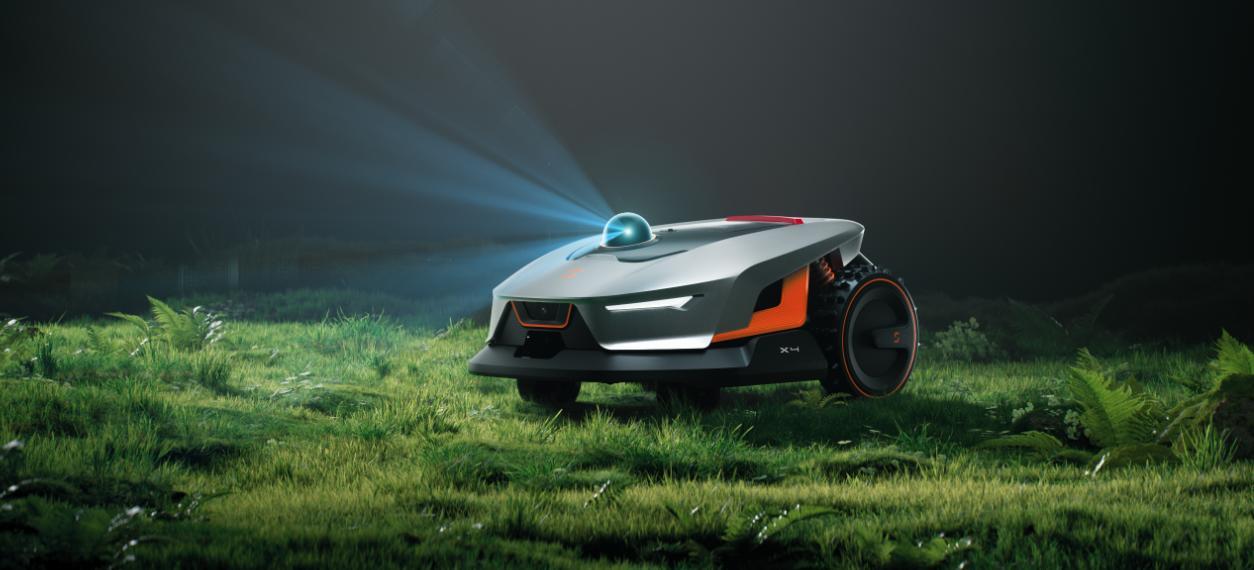
Choosing a Robot Lawn Mower With Advanced Safety Technology
If safety is a top concern, choose a robot lawn mower that includes multiple protective systems rather than relying on one feature alone.
Look for recessed blades, reliable collision detection, lift and tilt shutoff, an easy-to-reach emergency stop button, secure app or PIN access, and flexible zoning controls.
Smart scheduling is also valuable because it helps you run the mower when children and pets are not outside.
Some premium models add more refined navigation and obstacle handling, which can improve control in family yards with play equipment and pet areas.
When reviewing specifications, prioritize safety functions first, then match lawn capacity, slope handling, battery life, and boundary options to your property layout.
Robot lawn mowers can be safe around pets and kids, and the direct answer is yes, provided homeowners use them responsibly.
Built-in protections such as collision sensors, lift detection, and emergency stop controls reduce risk, but they should support good habits, not replace them.
The safest setup combines smart scheduling, secure mowing zones, regular yard checks, and active supervision during early use.
Children should understand that the mower is not a toy, and pets should not share the lawn during operation.
When safety features and careful routines work together, a robot lawn mower can be a practical tool for maintaining a family yard with confidence.