
For decades, television viewing was a static experience. You sat or lounged in front of the screen, watching changing visuals and sounds, developing the nickname of ‘couch potato’ if you did it for too long. Now, however, TV is no longer a one-way experience but has become much more interactive and dynamic.
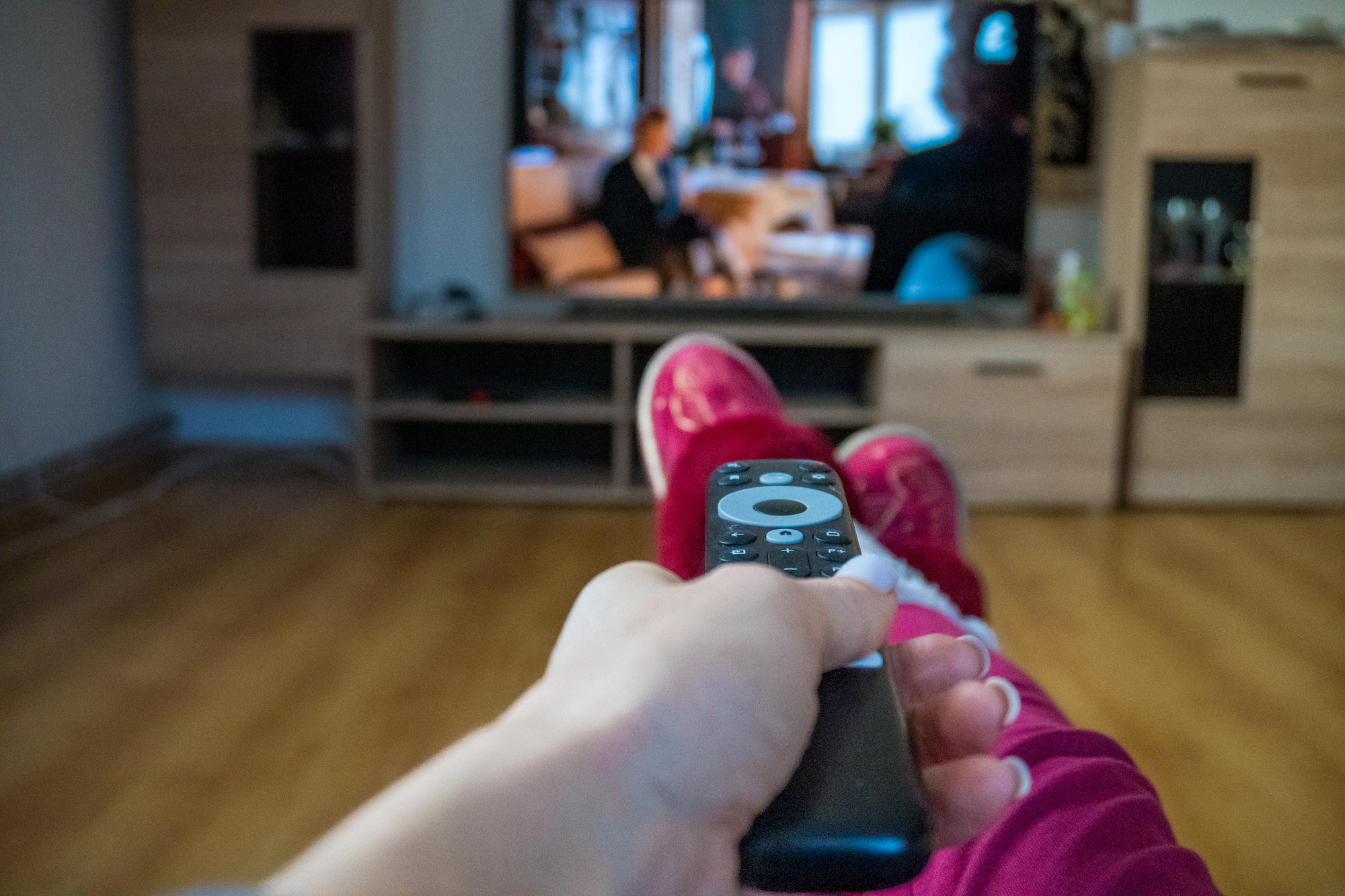
Interactive videos and connected TV ads (CTV) have become the new way to reach people, entering living rooms as guests and capturing their attention. EMarketer data finds that top-tier players, such as Amazon Prime Video, may even exceed $3 billion in CTV ad revenues in the US. Netflix and HBO Max are also emerging as significant players in this field.
On the surface, these formats can make television time much more exciting: personal and action-driven. They also entail a few considerations for viewers from privacy and mental wellness standpoints.
1. Interactive Ads Understand Your Changing Media Behaviors
Many of us cannot remember the last time we watched a television episode or a movie until the end without engaging with another screen even once. Second-screening has become wildly popular not only among Gen Z but also among millennials.
In sync with this, interactive ad developers are capitalizing on formats like pause ads, which play when you intentionally pause a video. This makes them feel less intrusive since you chose to perform the action that brought them on.
AdExchanger notes that pause ads have become the most popular interactive option among both platforms and advertisers, prompting ad developers to collaborate with streamers like NBCU and Hulu on this.
The only catch here is that television viewers should consider the extent to which engaging with ads impacts their enjoyment of a show or a movie. When the tendency to interact with marketing communication becomes urgent, it might leave you feeling less gratified with a program you had highly anticipated.
It is all about developing a fine balance.
2. Perpetual Connectedness Deserves a Rethink
As a viewer, now is a good time to introspect on your feelings about your media consumption habits. With TV becoming more multi-directional and eliciting more time and attention, our screen usage is liable to increase. Add a second screen (or two) to that, and you could be spending hours every day on devices of some sort.
Recent YouGov surveys find that screen time has been increasing alarmingly for different age groups, with 57% of Americans spending at least five hours daily on these pursuits.
When connection-focused technologies enter the scenario, this situation becomes more precarious. After all, we already have many ‘interactive’ experiences, thanks to social media. The Instagram lawsuit highlights how the channel’s abundance of status-seeking and social comparison content has propelled mental health issues and self-centeredness among users.
TorHoerman Law notes that some plaintiffs report changes in mood, sleep, and eating habits, along with poorer social functioning. It stands to reason that users who interact with certain brands, encouraged to do so because of their peers, may become more vulnerable to such mental wellness concerns. More so when these brands speak directly to them on several connected devices.
It cannot hurt to pay attention to discussions on screen usage and reevaluate habits that may be posing long-term health risks.
Oversharing personal data with seemingly innocent advertisers is another area that demands attention. A 2025 study published in the Journal of Interactive Advertising explains how dataveillance, or the automated tracking of digital data, is core to bringing personalization in interactive advertising. This can have concerns related to individual autonomy and societal inequalities.
3. Interactive and Personalized Videos May Rule The Future
While self-evaluation is vital in a changing media and television industry, there is no denying that the future belongs to those who dare to innovate.
A new research study by the University of Notre Dame finds that many estimates for conventional ad videos on TV are too naïve, overstating metrics by 55%. Measurement also overlooks purchase frequency and recency, failing to target ads accurately based on the actual purchases of viewers. This is a potential missed opportunity, considering advertisers still invest heavily in linear ads.
In contrast, industry reports find that the engagement per impression for CTV ads has been growing steadily. Amazon Ads finds that interactive videos can boost consideration and conversions for brands, beyond just awareness. For new-age marketers, this is another positive indicator for the need to emphasize digital advertising over traditional formats.
The Takeaway
While you examine your media viewing habits and assess their impact on your daily life, the landscape continues to evolve. In the short-term future, we can look forward to intriguing and novel formats of entertainment as well as advertising.
These approaches will cut through the third wall, so to speak. While some efforts may bring us the brilliance of content like Fleabag or even Bandersnatch, others may fizzle out like so many shiny new things. In either case, it heralds exciting times ahead for anyone who loves multimedia. Let’s continue to enjoy television by being prepared and attuned to our priorities.