
When it comes to mobiles and cellphones, more people are opting for refurbished phone devices than ever before. It’s not just budget-conscious people opting for refurbished phones. Here’s a rundown of the benefits of refurbished phones over brand new devices.
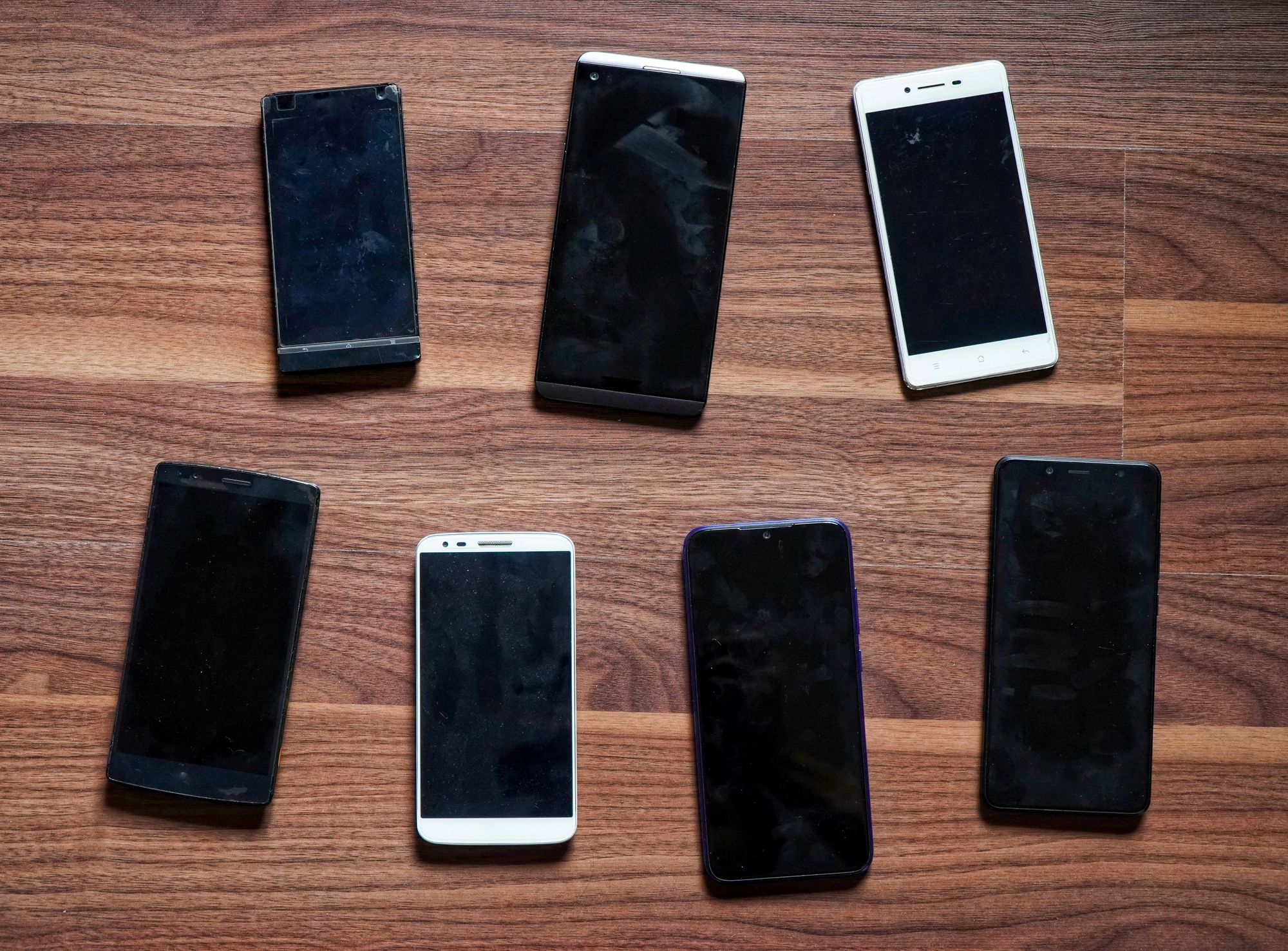
What Refurbished Phones Actually Mean
A refurbished phone is a previously owned phone, that has been professionally inspected, repaired (if needed) and restored to a working condition.
It is different to a “used” phone sold as-is, as refurbished devices go through testing, component replacement and reset to factory settings.
With smartphones, sellers often replace batteries, screens and other faulty parts, and certify that the refurbished phone meets set performance standards.
Refurbished phones can come from returns, trade-ins (or upgrades) or unsold inventory. Some refurbished smartphones are repaired by the original manufacturer, but most are restored by third-party refurbishers.
Refurbished Vs Used Vs Renewed – The Difference
Used phones are usually sold “as-is” by individuals or third-party sellers, with no formal testing or guaranteed fixes. You take on more risk, so the prices reflect that. You don’t know how good the internal battery is going to be, and you usually get no warranty when purchasing.
Refurbished phones usually go through diagnostic testing, repairs, and have parts replaced when needed.
Certified refurbished and manufacturer programs, like Apple Certified Refurbished, add stricter quality controls, and often include a warranty.
Renewed is a retail label which sits between used, and refurbished. Renewed items are tested and restored to working condition, but the exact process, and the warranty varies by seller. Always check the policies when purchasing, as some renewed listing match certified refurbished standards.
When choosing a refurbished phone, choose sellers that list their testing steps, include a warranty period, and give you a return window, so you’re protected as much as possible.
Battery Health And What To Expect
When you’re buying a refurbished phone, the battery health matters more than the condition of the phone. You should always expect *some* wear, but most reputable refurbishers guarantee phone batteries at/above 80% of original capacity, which should still give a full day of moderate use, for many users.
If possible, check battery health before purchase. If it’s an iPhone, you can click “Battery Health” within the Settings menu, and if it’s an Android, use built-in diagnostics, or a trusted app to show you the battery health.
Look for sellers that test charge cycles, replace degraded batteries and provide a warranty or repair option, so you reduce the chance you’ll face a battery service charge, soon after buying.
Where Refurbished Phones Come From
Manufacturers run trade-in programs, that collect used devices, often offering credits or discounts in exchange for older models.
You can also find refurbished phones from certified resellers, and refurbishment centers. These business source the phones from trade-ins, returns and overstocks, then test, repair and repackage them, so they meet resale standards.
Many refurbished phones come from the corporate market, where companies replace their employee’s phones regularly, and their older phones enter the refurbished market, after having their data wiped, and undergoing diagnostic checks.
People also sell or trade in their devices through online marketplaces, like eBay or Music Magpie. These phones will usually need some sort of repair, or cosmetic restoration, before qualifying as refurbished products.
The refurbishment process helps to reduce electronic waste, as fewer devices will end up in landfill.