
Having clean and healthy air within your home is so important. From lingering odors from cooking, dust, allergens and humidity, the small factors add up quickly, and can influence how healthy the air is, especially in the rooms you spend the most time.
Improving your air quality doesn’t have to be complicated, or expensive, with there being things you can do to reduce irritants, and support easier breathing.
Upgrade Your HVAC Filter And Replace It On Time
If you want cleaner indoor air without buying new equipment, start by upgrading your HVAC filter and swapping it out on schedule.
Check your system’s manual, and then choose among filter types, that match your personal needs.
You can use basic fiberglass for large debris, pleated filters for everyday dust, or higher-rated option if you’re targeting finer particles. Although, make sure you don’t overdo it, as an overly restrictive filter can reduce airflow and harm your energy efficiency.
Set yourself a simple maintenance schedule, by setting reminders in your phone, and make sure you stick to it. Most homes will need a change every 1 to 3 months, but pets, smoke, renovations and high-run times will shorten the lifespan of your filter.
When you replace your filter, confirm the airflow arrow points the right direction and the frame seals snugly, for optimum energy efficiency, to protect the equipment, and improve air quality too.
Choose An Air Purifier That Fits Your Space
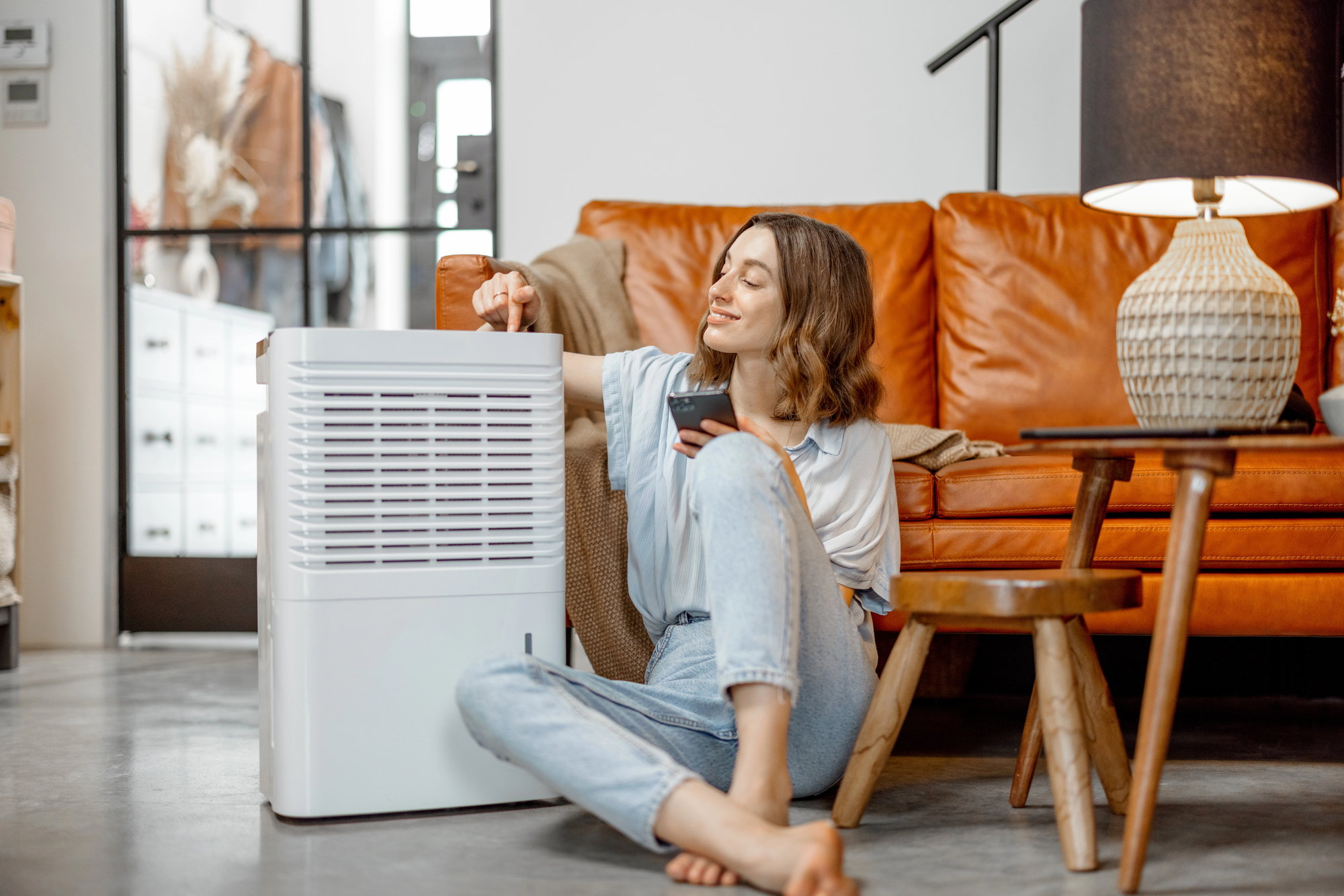
One purifier won’t work equally well in every room. Choose a model which matches the space of the room, and your main air quality goals.
Start by checking CADR ratings, and match them to your room’s size. If the unit’s undersized, it’ll run non-stop and will still miss pollutants. If the unit is oversized, you’ll pay more than you need to.
Pick the right filter type for what you’re fighting. A true HEPA filter helps to capture fine particles (like dust and pet dander), while a substantial carbon layer can reduce odors and some gases too.
Watch the noise level at the fan speeds you’ll actually use, especially for your bedrooms or office.
Commit to a set maintenance schedule, by replacing filters on time, wipe prefilters, and keep intake and exhaust clear.
Keep Humidity In The Healthy Range
You can’t *see* humidity, but you’ll notice its effects fast, in how you breathe, and how your home feels.
Keep the humidity level between 30 to 50%, to limit mold, dust mites and throat irritation.
Use simple humidity control methods, like running both kitchen and bathroom fans, vent your dryers outdoors, and fix any leaks quickly.
With those methods, ensure you have moisture removal techniques, like wiping away condensation, drying wet rugs, and storing any firewood outside.
You need to ensure you have a balanced airflow, and this prevents damp corners, and helps pollutants exit your home, instead of just settling and building up.
If after this, your reading are still high, consider a humidifier, like a portable humidifier for a single room, or a whole-home model for widespread, persistent issues, with smart sensors for automatic cycling.
If the air becomes too dry, ease off, and add steadier moisture, and utilize indoor plants benefits of gentle transpiration, without overwatering.
Vacuum Smarter With A HEPA Filter Machine
Vacuuming is a simple chore, but your vacuum determines whether you’re removing particles, or just blowing them back into the room.
Choose a sealed vacuum, with a true HEPA filter, which will trap fine dust, dander and pollen.
Match your home to the right type of vacuum model. Canister handle vacuums handle hard floors well, upright vacuums work best on carpets, and cordless stick vacuums are ideal for quick touch-ups. If you have pet hair issues, a powered brush roll and crevice tool along baseboards, and always empty the bin outside.
When it comes to how often you should vacuum, high-traffic areas (like your lounge, hallway and kitchen) should be vacuumed two to three times weekly, bedrooms weekly, and entryways after storms.
Make sure you do vacuum maintenance tasks relatively frequently, like replacing any belts, washing the pre-filters, changing HEPA cartridges regularly, and check the seals for cracks, to keep the vacuum working as efficiently as possible.